GP Surgery Waste Disposal
GP surgery waste disposal covers more than used needles and clinical waste bags. A practice may generate waste from vaccinations, blood sampling, wound care, minor procedures, medicine…
View serviceMedical waste disposal services need to reflect the clinical activities carried out at a particular location. Although healthcare organisations share responsibilities for waste classification, segregation and safe storage, the types and quantities of waste generated can differ considerably.
A GP surgery may produce vaccination sharps, dressings and pharmaceutical waste. Dental practices can have additional waste streams associated with dental materials and treatment procedures. Aesthetic clinics, physiotherapy services and community healthcare providers may generate different combinations of sharps, contaminated materials and non-infectious waste.
The pages below introduce the waste considerations associated with individual healthcare settings. Choose the setting closest to your organisation to identify relevant services, collection planning topics and practical resources.
If your activities cover several settings, start with the medical waste collection services directory or read Understanding Medical Waste Streams.
When making an enquiry, explain the procedures undertaken, waste types produced, approximate quantities and collection location. These details help establish what collection arrangements need to be considered.
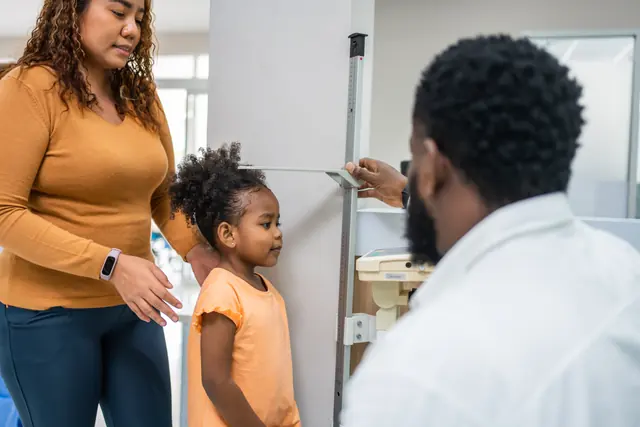
GP surgery waste disposal covers more than used needles and clinical waste bags. A practice may generate waste from vaccinations, blood sampling, wound care, minor procedures, medicine…
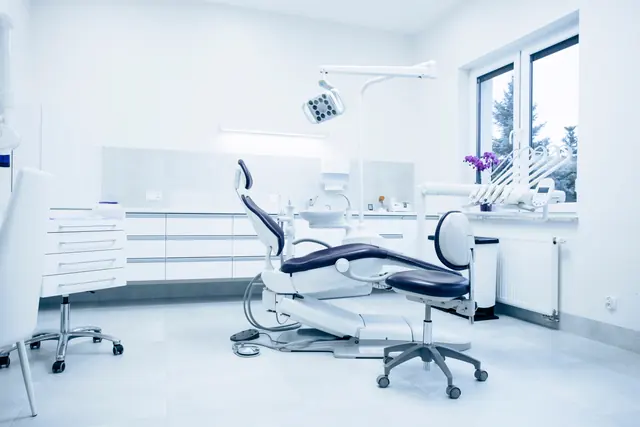
View serviceDental waste disposal involves several distinct materials produced during examinations, restorative dentistry, extractions, imaging and infection prevention. Alongside sharps and potentially infectious waste, dental practices may generate…
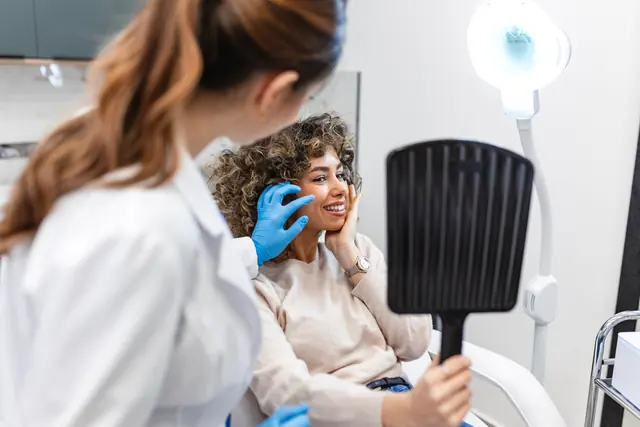
View servicePrivate clinic waste disposal depends on the treatments carried out rather than whether care is privately funded. A consultation-only clinic may generate relatively little clinical waste, while…
View serviceAesthetic clinic waste disposal depends on the treatments performed and the materials left after each procedure. Injectable treatments, skin needling and other invasive procedures can produce used…
View servicePhysiotherapy clinical waste requirements depend on the interventions offered rather than the number of patients attending. A practice delivering exercise rehabilitation and manual therapy may generate mainly…
View serviceCommunity healthcare waste disposal is complicated by the places where care takes place. Nurses, community treatment teams and other healthcare professionals may generate waste at a practice…
View serviceVaccination clinic waste disposal involves more than removing used needles. Immunisation sessions can generate syringes, vials, ampoules, disposable protective materials and vaccine stock that is damaged, expired…
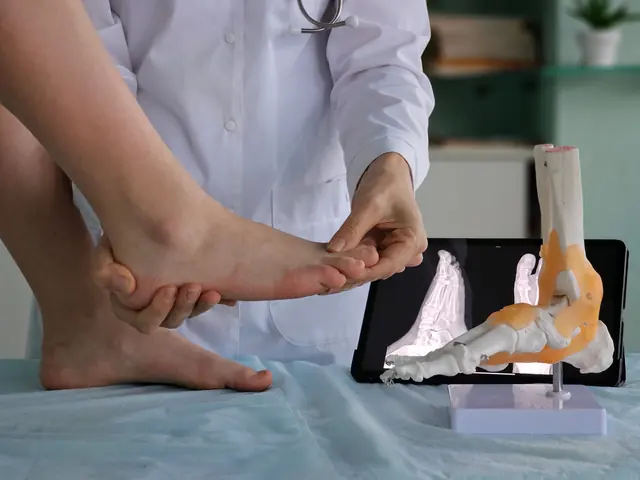
View servicePodiatry practices produce several types of waste during routine foot care, nail surgery and other clinical procedures. Used scalpel blades, dressings, disposable instruments and potentially infectious materials…
View serviceOutpatient treatment centres can produce several waste streams across consulting rooms, diagnostic areas, procedure suites and recovery spaces. Outpatient clinical waste disposal therefore involves more than emptying…
View service