
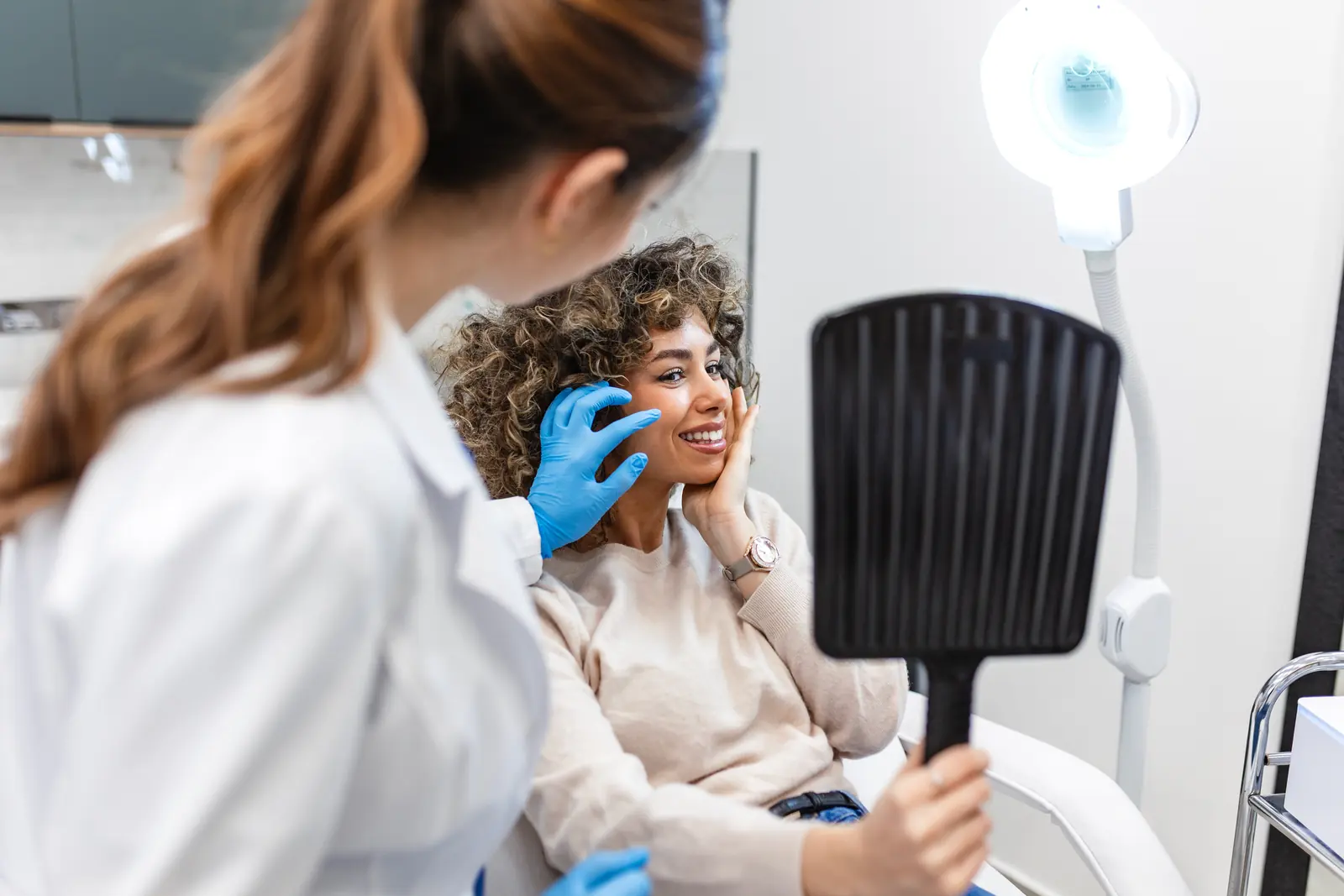
Waste produced by aesthetic treatments
Aesthetic clinics can have very different waste profiles despite offering superficially similar services. A clinic providing consultations and non-invasive facials may produce relatively little healthcare waste. Introducing injectable treatments, microneedling or minor skin procedures changes the materials requiring collection and the potential hazards associated with them.
Used needles, cannulas, lancets and other sharp instruments require particular attention because they can cause puncture injuries. Treatment-related dressings, swabs and disposable protective materials must be assessed according to their actual contamination. Unused or expired medicinal products create a different disposal requirement from ordinary consumables.
The Environment Agency guidance on healthcare waste classification distinguishes infectious waste, offensive waste, medicines and different forms of contaminated sharps. The name of a treatment alone does not establish the appropriate waste classification.
Sharps and injectable treatment waste
Injectable aesthetic procedures may generate several waste types during one appointment. A used needle presents an injury hazard, while a remaining medicinal preparation or contaminated disposable item may require separate consideration. A sharps container should therefore be selected with the contents and relevant waste classification in mind, rather than assuming that every needle-associated item belongs to an identical disposal stream.
The Health and Safety Executive’s sharps guidance addresses injury prevention in healthcare and beauty treatment settings. It recommends prompt disposal of used needles into appropriate sharps containers and precautions against recapping and unnecessary handling.
Clinics introducing a new injectable product should establish whether its unused residues, partially used containers or associated sharps introduce medicinal or other hazardous properties. More detail on this distinction is available in sharps waste collection and pharmaceutical waste disposal.
Dressings, treatment consumables and non-clinical materials
Disposable couch coverings, gloves, cotton pads and wipes are not automatically infectious simply because they were used in a treatment room. Their classification depends on contamination and the circumstances in which they were produced. Materials presenting an infection risk differ from non-infectious offensive waste, while uncontaminated packaging may be suitable for ordinary workplace recycling.
For example, a clean cardboard product box and a dressing contaminated during an invasive procedure should not be treated as the same waste merely because they originated from one appointment. Segregation at the point where materials are discarded helps avoid unnecessary mixing.
Practices can consult the guide to medical waste streams when reviewing treatment-room waste categories.
Storage, collection planning and paperwork
Clinic waste planning needs to reflect appointment numbers, treatment types, available storage space and the interval between collections. A premises offering injectables on one day each week may have a different waste profile from a clinic conducting invasive treatments daily. An increase in treatments may also change the mix of sharps, medicinal residues and dressings without producing an equivalent increase in ordinary rubbish.
Storage arrangements should prevent unauthorised access, damage to containers and accidental contact with discarded treatment materials. Staff need consistent procedures so that waste remains correctly separated after the practitioner finishes a procedure and before it leaves the premises.
In England, waste duty-of-care guidance requires an accurate waste description and transfer to appropriately authorised parties. Non-hazardous waste normally requires suitable transfer documentation, while hazardous waste movements require consignment documentation. Records should correspond to the actual waste transferred, rather than being copied unchanged when treatments or products change.
A documented review is particularly useful when a clinic adds injectables, changes its treatment range or moves to premises with different storage arrangements. NHS England’s HTM 07-01 provides healthcare waste management guidance, although it is not itself a blanket UK statute governing every aesthetic business.
Questions about aesthetic clinic waste disposal
Does an aesthetic clinic need clinical waste disposal if it only offers non-invasive treatments?
Not necessarily. A clinic offering only non-invasive treatments may generate mainly ordinary workplace waste, provided its materials are not infectious, medicinally contaminated or otherwise hazardous. The clinic should assess what its actual procedures generate instead of treating all beauty and aesthetic waste as clinical waste. Uncontaminated packaging and suitable recyclable materials should also be considered separately.
Can unused injectable products be disposed of with used needles?
Unused products and used needles should not automatically be assigned the same waste stream. The medicinal ingredients, contamination, packaging and remaining contents are relevant to classification. A clinic should establish the correct arrangements for each product and the type of sharps it generates. Product-specific information may be needed where medicinal properties affect disposal.
What changes when an aesthetic clinic introduces microneedling?
Microneedling can introduce used sharp devices and treatment materials that were not previously generated. The clinic should review its sharps provision, contamination assessment, storage capacity, staff procedures and collection arrangements. The precise classification depends on the devices used, their contamination and any medicinal products associated with the procedure.