
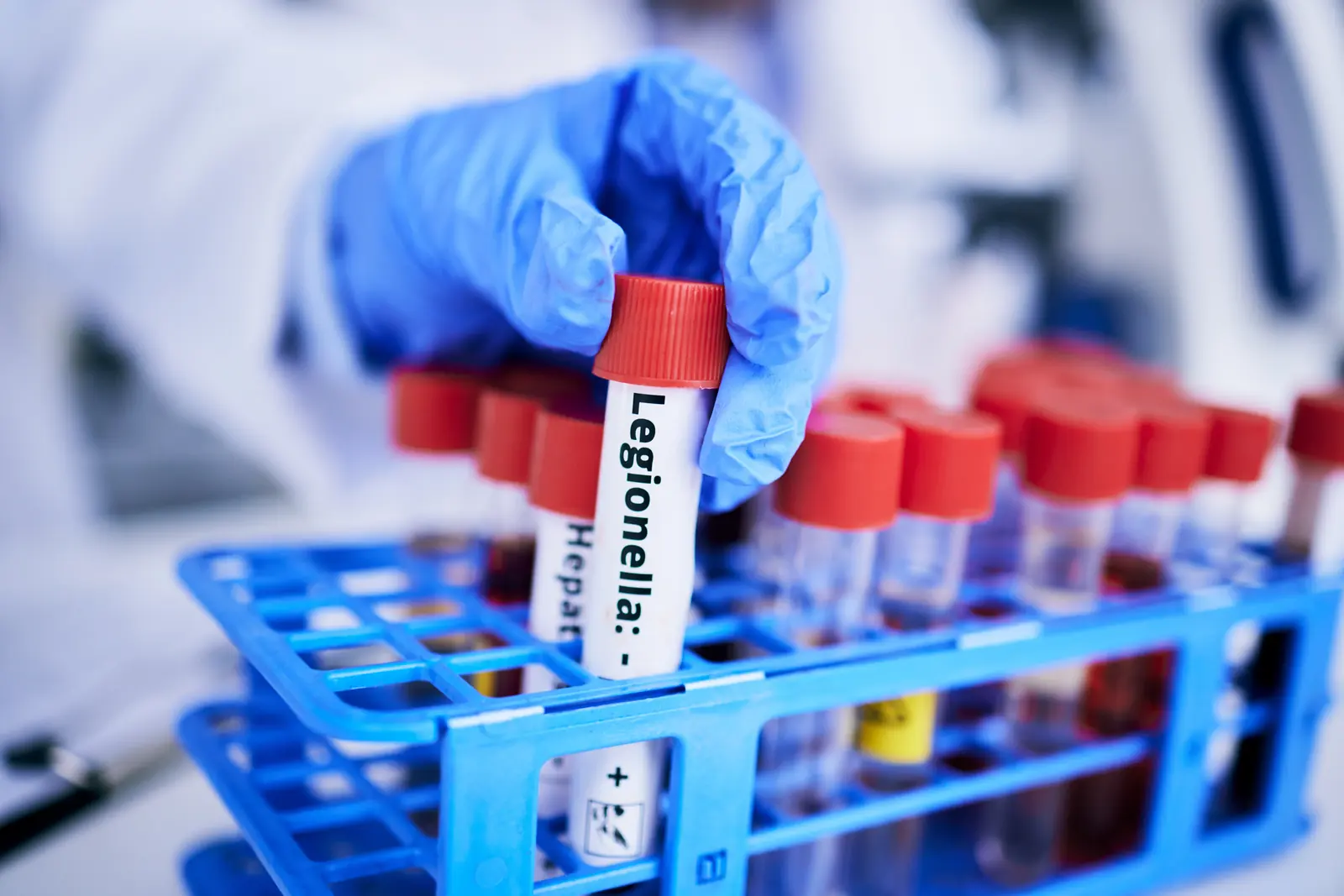
What makes healthcare waste infectious?
Waste is infectious when its characteristics and contamination justify classification as presenting an infection hazard. The assessment concerns the possibility of disease transmission, rather than whether the item is visibly soiled. Blood-stained material, for example, is not automatically assigned to the same stream in every clinical circumstance.
Infectious waste may arise from wound care, diagnostic procedures, laboratory activity or treatment of patients with transmissible infections. The clinical circumstances and relevant infection information matter. The Environment Agency’s healthcare waste classification guidance distinguishes infectious clinical waste from non-infectious offensive waste, medicines, chemicals and sharps.
Clinical personnel and waste managers need enough information to understand the waste’s origin and hazards. An apparently similar dressing from two different clinical activities may have different management requirements because the infection assessment is different.
Infectious waste without chemical contamination
In England, the Environment Agency identifies an orange bag stream for infectious clinical waste without chemical or pharmaceutical contamination. This reflects an important distinction between an infection hazard alone and material carrying additional contamination.
Alternative treatment can be appropriate for certain infectious waste where the treatment process is authorised and suitable for that waste. The precise treatment technology, acceptance conditions and validation requirements are matters for the permitted receiving facility, rather than assumptions that can be made solely from the fact that a collection is needed.
NHS England’s HTM 07-01 healthcare waste guidance provides a framework for segregation and waste management in healthcare settings. It is healthcare guidance, not a single statute governing every UK workplace.
When infection and chemical hazards overlap
Some diagnostic products and laboratory materials may be both infectious and chemically contaminated. The Environment Agency identifies a separate yellow bag stream for infectious waste containing relevant chemical contamination. This is not a general destination for every item used during patient treatment.
Medicinal contamination also needs to be considered independently. A used item may carry an infection risk, a medicinal hazard, or both. Waste involving cytotoxic or cytostatic medicines has additional requirements, explained under cytotoxic and cytostatic waste disposal.
Sharps introduce a physical injury hazard alongside any infection or medicinal contamination. Their classification and management should reflect all relevant hazards. Further background appears in sharps waste collection.
Factors affecting infectious waste collection
Clinical activity levels, the types of procedures undertaken and the proportion of waste assessed as infectious affect the quantities requiring collection. A treatment centre carrying out frequent wound care or diagnostic work may have a different waste profile from a practice producing occasional infectious items.
The collection arrangement also needs to take account of suitable storage facilities, the location of waste generation, movement through shared areas and access for removal. Consistent segregation at the point where waste is generated helps avoid mixing materials with different hazards. The wider process is described in preparing for a medical waste collection.
Records accompanying infectious healthcare waste
Infectious clinical waste is generally hazardous waste under the relevant Environment Agency classifications. In England, movements of hazardous waste require consignment documentation unless a specific exemption applies. The GOV.UK hazardous waste guidance explains the roles of the producer, holder, carrier, consignor and consignee.
Descriptions must accurately reflect the waste and its hazards. Consignment information identifies the waste, quantity, parties and destination. The producer’s records should remain consistent with the clinical waste assessment and actual material transferred. This matters particularly where different infectious waste streams are generated at the same premises.
Questions about infectious waste collection
Is every blood-stained dressing infectious waste?
Not automatically. The waste classification depends on the clinical circumstances, the relevant infection risk and any additional contamination. Some non-infectious dressings may be healthcare offensive waste, whereas dressings associated with an identified infection hazard require infectious waste management. Appearance alone is not a reliable classification method.
Can infectious healthcare waste be treated without incineration?
Certain infectious waste without chemical or medicinal contamination may be suitable for an authorised alternative treatment process. Suitability depends on the waste characteristics and the receiving facility's permitted activities and validated process. Chemically or medicinally contaminated waste may require a different route. A collection classification does not, on its own, establish which facility can accept the waste.
What if a waste item is both infectious and contaminated with medicine?
Both hazards must be considered. The appropriate classification and waste stream depend on the medicine involved, the nature of the contamination and the clinical circumstances. Cytotoxic or cytostatic medicines introduce additional hazardous properties. Such material should not be treated as ordinary infection-only waste merely because it also presents an infection risk.