
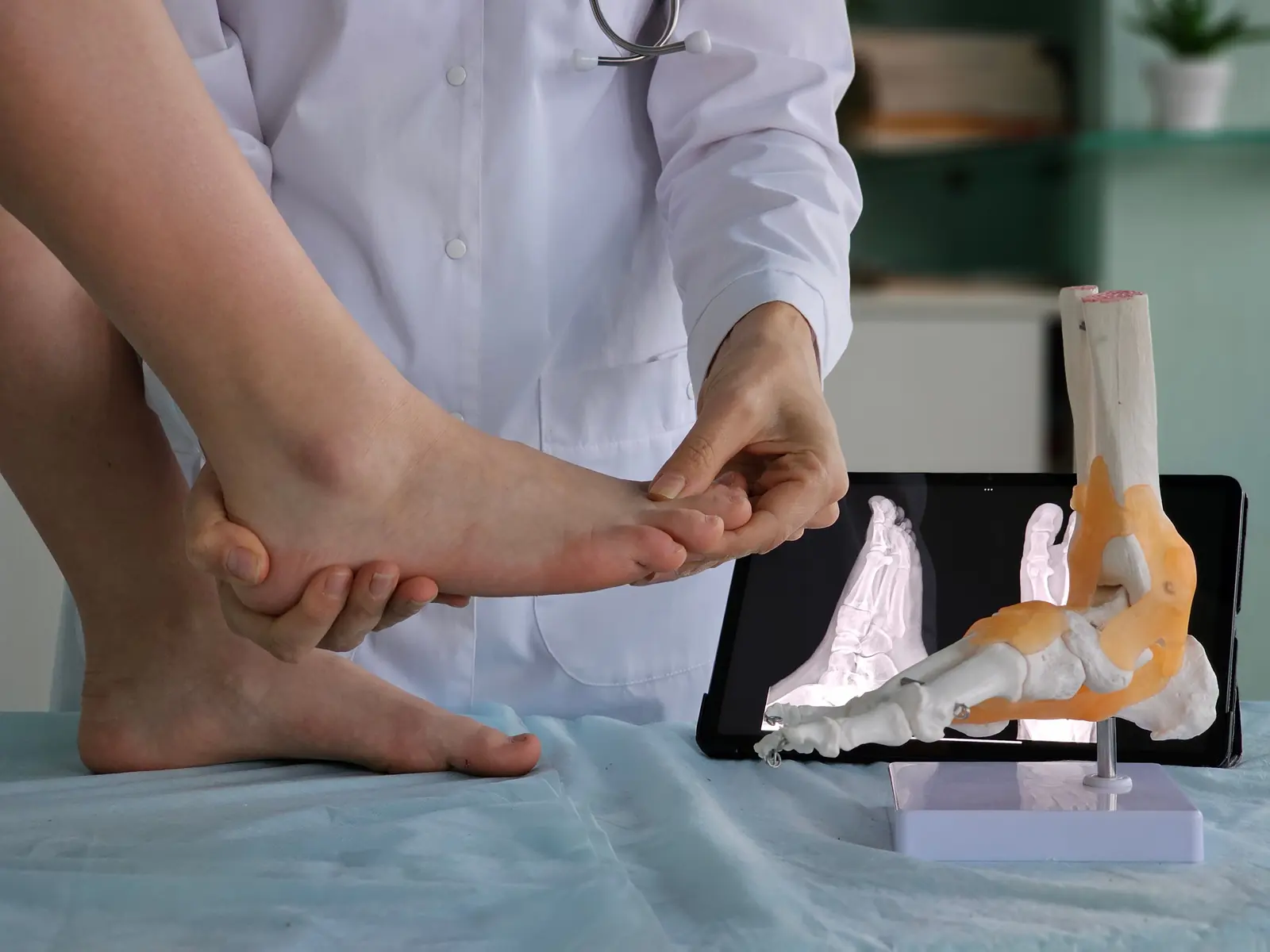
Waste produced during podiatry treatment
Routine podiatry can generate sharps, dressings, swabs, gloves, protective materials and ordinary non-clinical waste. The quantities and classifications depend on the procedures undertaken. A practice providing nail surgery, for example, may have a different waste profile from one concentrating on routine skin and nail care.
Used scalpel blades, needles and other instruments capable of causing puncture or cutting injuries require particular attention. The Health and Safety Executive’s guidance on sharps injuries specifically identifies chiropody as an activity where exposure to contaminated sharps can occur. Staff need suitable arrangements for disposal immediately after use, alongside training and procedures for responding to injuries.
Items that are not sharp must be assessed separately. A dressing removed from an infected wound may require infectious clinical waste management, whereas a non-infectious dressing without pharmaceutical or chemical contamination may qualify as healthcare offensive waste. The distinction depends on the material and clinical circumstances, not simply whether it has touched a patient.
Separating sharps from other clinical waste
Sharps waste needs a dedicated stream because puncture and contamination risks remain after treatment. The presence of medicinal or cytotoxic contamination can also affect classification and the appropriate waste route. More detail on this distinction is available in the sharps waste collection section.
Not every disposable podiatry instrument is a sharp, and not every used item is infectious. Single-use files, applicators, gloves and protective coverings must be considered according to their actual contamination. Clean outer packaging and administrative materials should not automatically enter the clinical waste stream.
Dressings, swabs and protective materials
The Environment Agency distinguishes non-infectious healthcare offensive waste from infectious clinical waste. Offensive waste can include non-infectious dressings and protective clothing contaminated with bodily fluids, provided the material does not contain pharmaceutical or chemical substances. Infectious materials require a different route. This distinction is explained in the official healthcare waste classification guidance.
Where a patient presents with an infected wound, the treatment record and clinical assessment may provide information relevant to classifying associated waste. Staff should not assume that all blood-stained materials are automatically infectious, or that visually clean materials cannot present a risk.
Practical arrangements in a treatment room
The location of waste receptacles affects how safely clinical work can be completed. Sharps disposal should be accessible from the treatment position, without carrying exposed instruments through reception areas or communal spaces. Other waste streams need clearly identified receptacles that match their contents and the practice’s segregation arrangements.
Practices with several treatment rooms must consider how waste moves from each room to its designated storage area. Premises layout, access arrangements, security, available storage space and the quantity generated between collections all influence this process. The medical waste storage guide covers these considerations in more detail.
Records and collection requirements
The practice remains responsible for accurately describing its waste and transferring it through an appropriate waste management route. For English premises, the waste duty of care code of practice explains the requirement to use authorised waste handlers and maintain appropriate records.
Non-hazardous waste transfers normally require a waste transfer note or equivalent compliant documentation. Hazardous waste movements require consignment notes. The applicable paperwork follows the waste classification rather than the practice’s professional title.
Collection frequency should reflect actual treatment activity, storage capacity and the separate waste streams produced. Changes such as introducing nail surgery, expanding treatment rooms or adding procedures involving medicines may justify reviewing the arrangements.
Questions about podiatry practice waste disposal
Does every podiatry treatment produce infectious clinical waste?
No. Waste from podiatry treatment must be classified according to its characteristics and contamination. Non-infectious healthcare offensive waste, infectious clinical waste, sharps and ordinary non-clinical waste may arise from different activities within the same practice.
Can a podiatry practice use one sharps container for every procedure?
That depends on the sharps produced and their contamination. Sharps associated with different medicines or cytotoxic substances can require different waste classifications. Container selection must correspond to the assessed waste stream rather than convenience alone.
What should a podiatry practice review when introducing nail surgery?
The practice should review its anticipated sharps, dressings, local anaesthetic-related waste, storage arrangements, staff procedures and collection capacity. The change may also affect the descriptions used in waste documentation.