
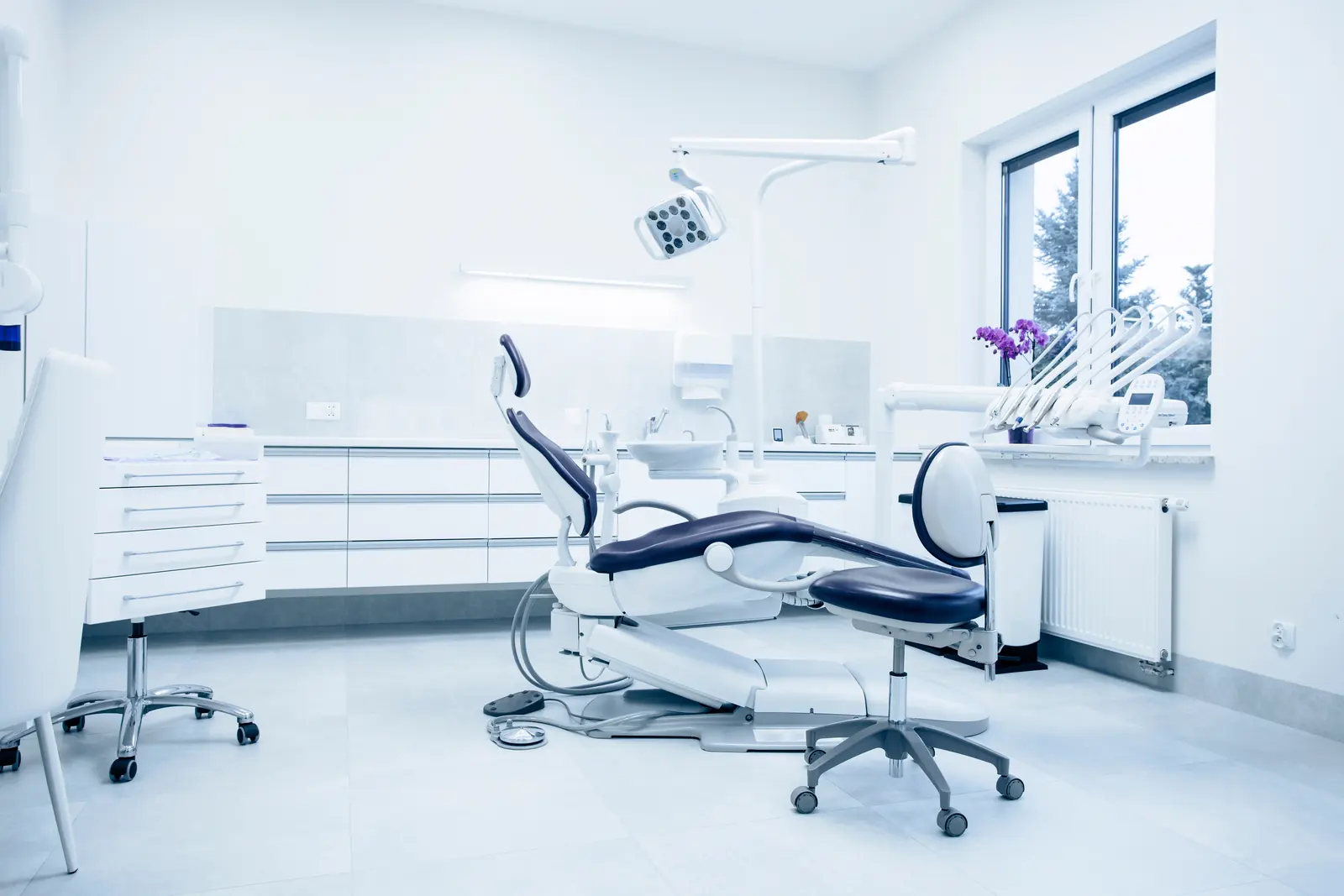
Why dental waste needs separate streams
Dental practices produce a distinctive combination of clinical, pharmaceutical and material-specific waste. Examination gloves and other protective items may be non-infectious offensive waste or infectious clinical waste depending on their use. Needles, scalpel blades and other sharp instruments introduce a separate injury risk.
Restorative work and tooth extractions can produce materials that require a more specific assessment. Dental amalgam contains mercury, while extracted teeth may have different disposal considerations depending on whether they contain amalgam or are affected by other relevant characteristics.
The Environment Agency’s healthcare waste classification guidance identifies categories relevant to dental practices, including sharps, anatomical material, plaster and healthcare chemicals.
Dental amalgam and mercury-containing waste
Amalgam waste requires particular attention because of its mercury content. This can include removed fillings, amalgam particles, amalgam residues and teeth or tooth fragments containing amalgam.
The Care Quality Commission’s guidance on dental amalgam explains requirements for amalgam separators and the disposal of amalgam waste. Dental facilities covered by the applicable requirements must use separators capable of retaining at least 95% of amalgam particles, with maintenance in accordance with the relevant instructions.
Amalgam-containing waste must be handled and collected through an authorised waste management undertaking. It must not be discharged directly or indirectly into the environment. Waste arising from separator servicing also needs to be distinguished from ordinary clinical waste.
These requirements make amalgam a separate operational consideration rather than simply another item in the treatment-room waste bin.
Sharps and potentially infectious materials
Local anaesthetic needles, endodontic instruments and used blades are examples of dental sharps. The physical injury risk makes appropriate sharps disposal essential, while medicinal or other contamination may affect their waste classification.
The HSE guidance on healthcare sharps identifies the importance of suitable disposal arrangements at the point of use and preventing overfilled containers.
Other waste from dental treatment may include contaminated gauze, dressings and protective equipment. The relevant infection risk determines the appropriate healthcare waste stream; visible contamination alone does not establish every aspect of classification.
The general principles are covered in clinical waste disposal and sharps waste collection.
Dental chemicals and imaging materials
Dental practices using conventional film processing may produce developer, fixer and related photochemical waste. The chemical composition and hazardous properties of each material matter when it is classified.
The Environment Agency distinguishes healthcare chemicals from photographic chemicals when identifying waste categories. Digital imaging may reduce the generation of processing chemicals, but it does not remove the need to assess any remaining chemical products.
Cleaning products, disinfectants and other chemicals used in a practice can also differ substantially. A product’s purpose in dentistry does not, by itself, establish its waste classification or disposal route.
Waste management records in a dental practice
The practice’s waste arrangements should reflect the clinical activities actually performed, including whether amalgam is removed, conventional imaging is used and medicines are handled.
Waste records need to identify transferred materials accurately. Under the waste duty of care code, the producer or holder must take reasonable steps concerning the authorised recipient and provide an appropriate description of the waste.
Maintaining accessible transfer records, relevant separator maintenance information and a clear understanding of the waste streams generated supports day-to-day premises management and inspection preparation.
Questions about dental practice waste disposal
Can extracted teeth containing amalgam be disposed of with other extracted teeth?
Teeth containing amalgam are specifically included within dental amalgam waste requirements because of their mercury content. They must be considered separately from teeth without amalgam. Other characteristics, such as infection risk or chemical preservation, can also affect the classification of anatomical material, so appearance alone is not a reliable basis for combining waste.
Does switching to digital dental X-rays remove all imaging waste?
Digital systems generally avoid the conventional developer and fixer waste associated with film processing. However, the practice may still generate waste from equipment, consumables or materials retained from older processes. Those items should be considered according to their actual composition rather than assuming that all imaging-related waste has disappeared.
What evidence may be relevant to dental amalgam separator management?
Practices should be able to demonstrate that their amalgam separator arrangements meet the applicable requirements and that the equipment is maintained appropriately. Relevant information may include separator specifications, maintenance records and records for the transfer of collected amalgam waste. The CQC identifies amalgam management as part of its assessment of safe and well-led dental services.